
Why Rising Memory Prices Could Increase the Cost of Retail Technology
by RetailCare
Artificial intelligence is reshaping the technology industry, but it’s also creating new challenges for retailers planning IT investments.
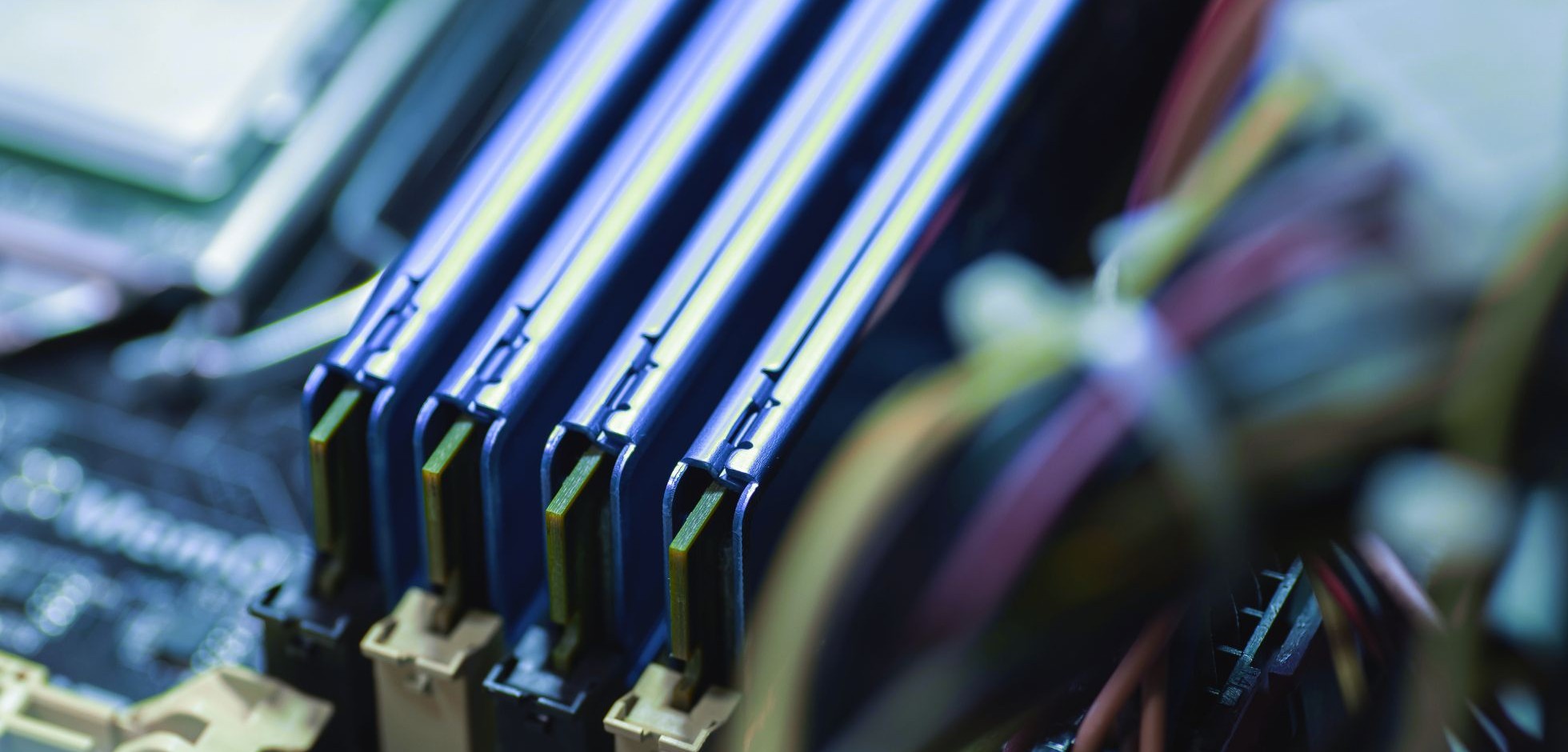
As global demand for AI infrastructure continues to grow, manufacturers are prioritising production of high-performance memory used in AI servers. According to TrendForce, conventional DRAM contract prices rose by 93–98% in the first quarter of 2026, with a further 58–63% increase expected in the following quarter. NAND Flash storage prices are also forecast to climb by 70–75%, driven by strong demand for enterprise storage supporting AI workloads. These market shifts are reducing the availability of memory used in everyday business hardware.
How This Affects Retail Businesses
Although these changes originate in the data centre market, retailers may feel the impact through higher prices and longer lead times for essential business technology.
Many retail operations depend on hardware built with the same memory components, including:
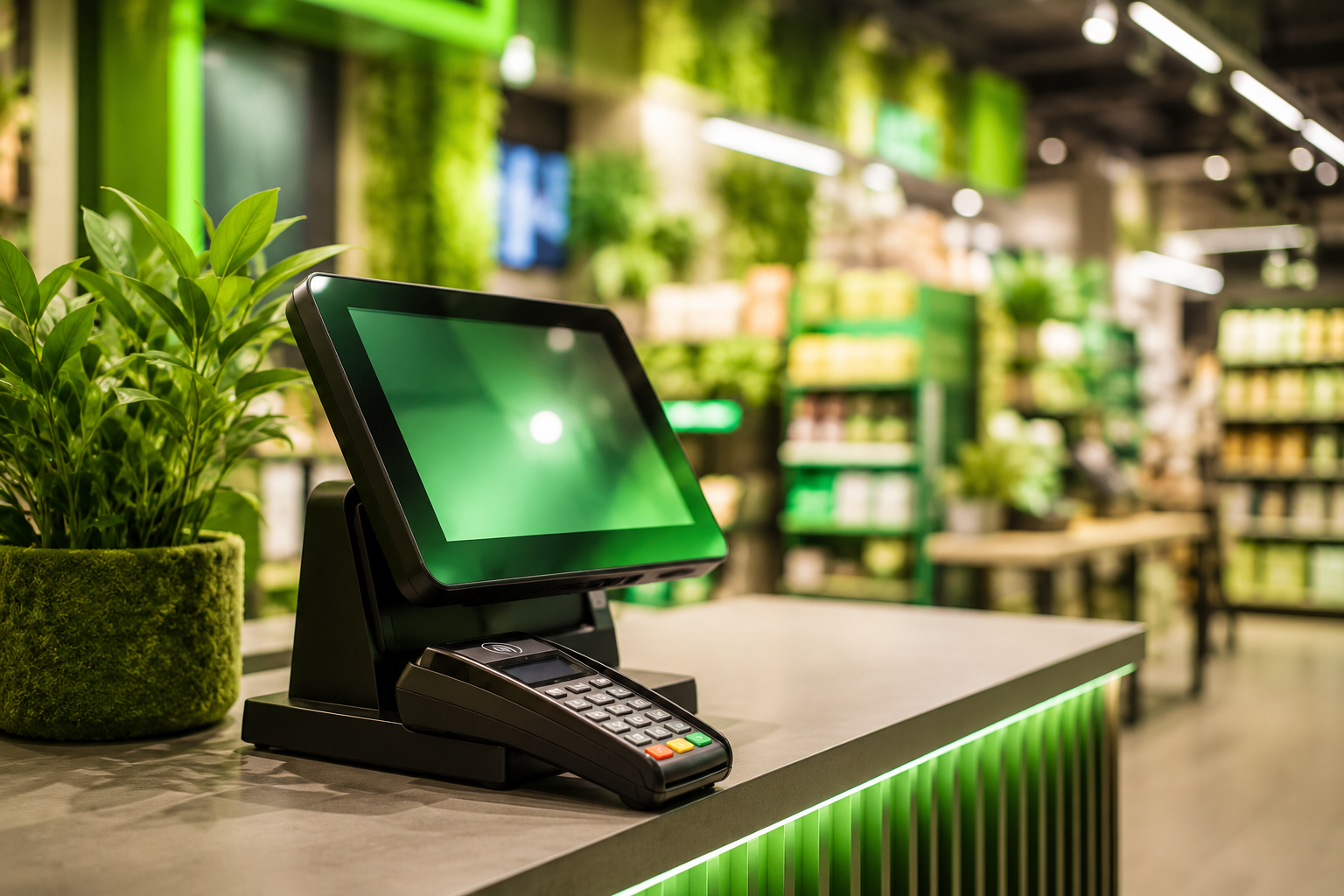
- Point-of-sale (POS) systems
- Self-checkout kiosks
- Store and back-office PCs
- Retail servers
- Barcode scanners
- Receipt printers
- Digital signage
As component costs increase, businesses may find that upgrading or replacing equipment requires larger budgets than originally planned.
Why Proactive IT Planning Matters
Waiting until hardware fails can become an expensive strategy during periods of supply constraints.
A proactive technology lifecycle helps retailers:
- Reduce unexpected replacement costs
- Plan hardware refreshes before prices rise further
- Extend the lifespan of existing equipment through preventative maintenance
- Minimise downtime caused by ageing infrastructure
For businesses operating multiple locations, these small decisions can significantly reduce long-term IT costs.
Future-Proof Your Retail Technology
Technology markets will continue to evolve as AI adoption accelerates. While retailers can’t influence global semiconductor supply, they can prepare for changing market conditions with the right IT strategy.
At RetailCare, we help retailers maximise the value of their technology investments through managed IT services, proactive support, hardware lifecycle management, and retail technology solutions designed to keep stores operating efficiently.
Whether you’re planning a hardware refresh, opening new locations, or improving business continuity, investing in proactive IT management today can help reduce costs tomorrow.
Sources:
TrendForce. DRAM Contract Prices Surge as AI Server Demand Reshapes Memory Market (2026). Reports conventional DRAM prices increased by 93–98% in Q1 2026, with further increases forecast for Q2 as AI infrastructure demand continues to grow. Available at: https://www.trendforce.com/
TrendForce. NAND Flash Market Outlook (2026). Forecasts 70–75% price growth for NAND Flash, driven by enterprise storage and AI-related demand. Available at: https://www.trendforce.com/
International Data Corporation (IDC). Worldwide AI Infrastructure Forecast. Provides market insights into the rapid expansion of AI infrastructure investment and enterprise hardware demand. Available at: https://www.idc.com/
Gartner. Semiconductor Market Trends. Industry analysis on global semiconductor supply, memory markets, and enterprise technology spending. Available at: https://www.gartner.com/