

From Content to Experience: How Immersive Learning Is Reshaping Workforce Training in 2026
by RetailCare
Workplace learning is undergoing a shift. Organisations are no longer asking how to deliver more training content as they are focusing on how to build real capability quicker.
In 2026, the emphasis has shifted from information delivery to experience-driven development, where employees learn by practicing real scenarios rather than passively consuming material. This shift is being driven by rapid AI adoption, changing workforce expectations, and increasing pressure to close skills gaps at scale.
Research shows that many organisations are adopting AI and immersive learning strategies, yet confidence in workforce readiness still lags behind, highlighting a persistent gap in how skills are developed and applied.
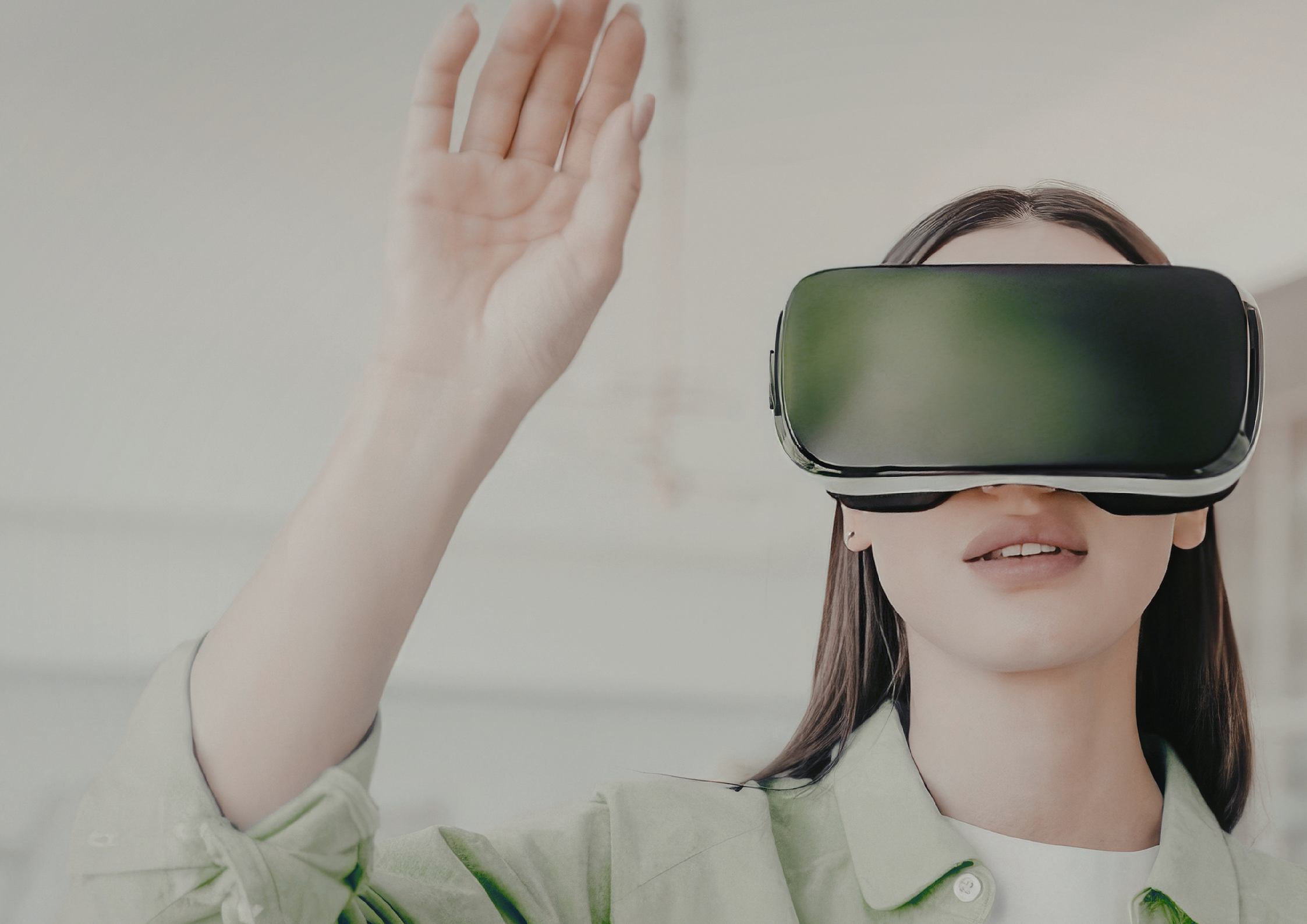
Why Traditional Learning Models Are No Longer Enough
Traditional learning methods, such as videos, presentations, and static modules, remain useful for delivering foundational knowledge. However, they often fall short when it comes to supporting actual performance.
Modern roles demand decision-making, adaptability, and the ability to apply skills in dynamic environments. These capabilities cannot be fully developed through passive learning alone. As a result, organizations are rethinking how training is delivered and are placing greater emphasis on practical application and experiential learning approaches.
Across industries, there is a clear shift toward learning experiences that closely mirror real job environments. This allows employees to practice and refine their skills before applying them in actual operational settings.
Trend 1: Simulation-Based Learning Goes Mainstream
Simulation based learning is becoming a central element of workforce development strategies. Instead of relying solely on theoretical instruction, employees are placed in realistic scenarios that reflect actual workplace challenges.
These environments allow learners to make decisions, experience consequences, and refine their judgment without introducing operational risk. Industries such as retail, logistics, manufacturing, and healthcare are increasingly adopting simulation driven training as part of onboarding and upskilling programs.
By 2026, simulations are evolving beyond pilot initiatives and are now being implemented as solutions for building workforce capabilities.
Trend 2: AI becomes the Learning Coach
AI is transforming training from static pathways into adaptive learning experiences.
Instead of delivering identical content to all learners, AI systems can identify skill gaps, adjust learning pathways in real time, and provide personalized feedback during practice.
This shift marks a move away from traditional learning modules toward dynamic learning coaching systems. In this model, employees receive continuous, context aware support as they build and refine their skills.
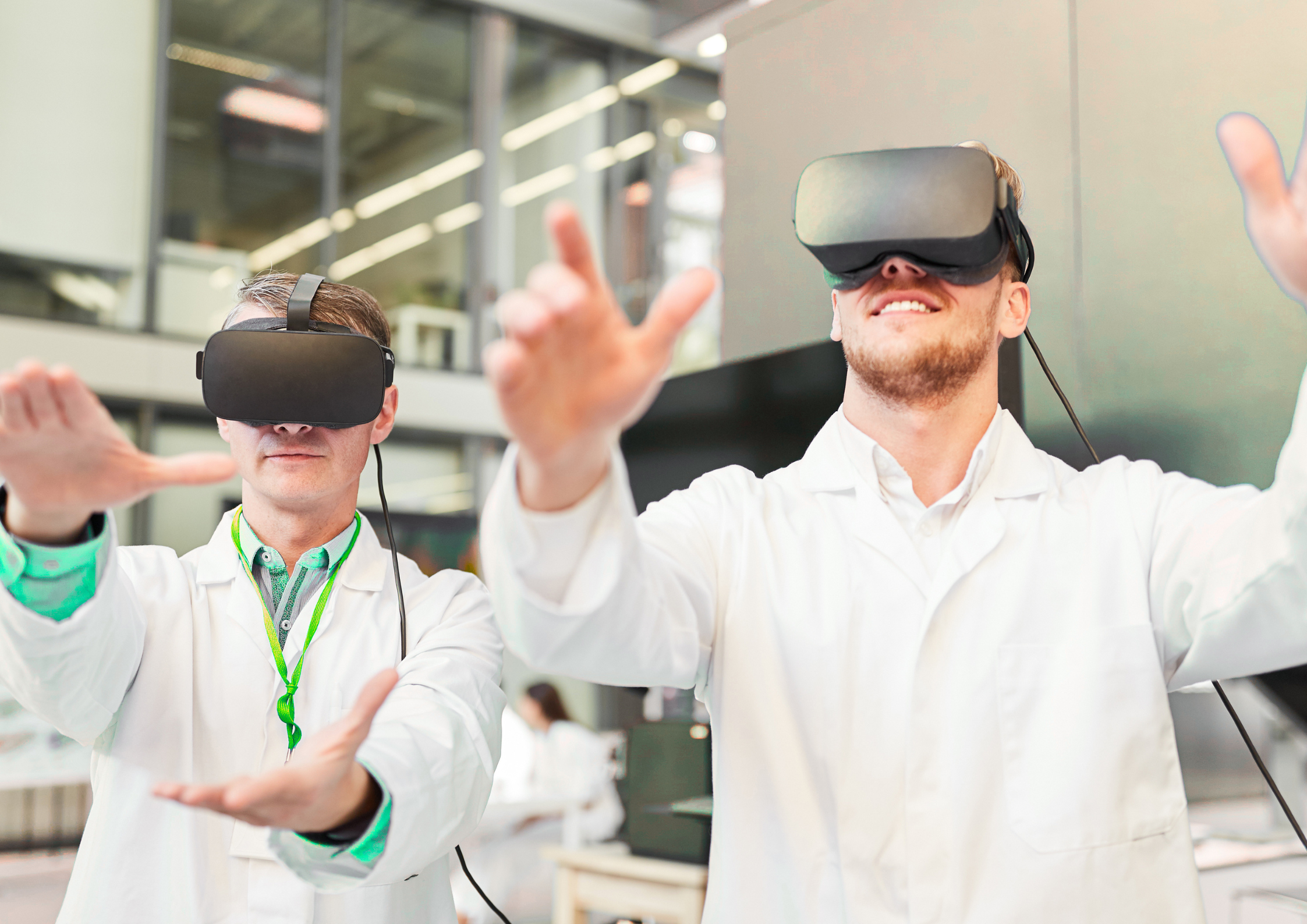
Trend 3: Skills-First Workforce Model
Organisations are increasingly shifting away from role-based training toward skills-based development models. Rather than focusing on job titles, companies are prioritizing capability frameworks that define what employees can actually do. This approach enables more flexible workforce planning and faster reskilling in response to change. Some leading organizations are already restructuring learning strategies around skills portfolios instead of traditional career paths, reflecting a broader shift toward measurable capability development.
Trend 4: Immersive Learning Expands Across Devices
Immersive learning is no longer limited to high-end hardware. Instead, it is becoming accessible across multiple platforms, including desktop, mobile, and cloud-based environments. This expansion is critical for scalability. It enables organisations to deliver consistent learning experiences to distributed teams without requiring specialized equipment. As a result, immersive learning is increasingly being integrated into everyday workflows rather than treated as a standalone training initiative.
Trend 5: Learning Analytics and Measurable Impact
One of the most significant shifts in 2026 is the growing demand for measurable learning outcomes. Organisations are no longer satisfied with completion rates, they want to understand how training influences:
- Performance
- Decision-making
- Productivity
- Skill progression
Learning analytics now play a key role in identifying gaps, improving programs, and linking training outcomes to business performance. This positions learning as a strategic function rather than a support activity.
The Future of Workforce Learning
The future of learning is being shaped by the convergence of AI, immersive simulation, and analytics-driven insights. Instead of separate training programs, organisations are moving toward integrated learning ecosystems where employees continuously build skills through:
- Realistic practice environments
- AI-guided feedback loops
- Embedded learning in daily workflows
This reflects a broader shift toward continuous capability development rather than one-time training events.